EPS successfully delivers critical oil and gas spares overnight – we are a 24/7 operation
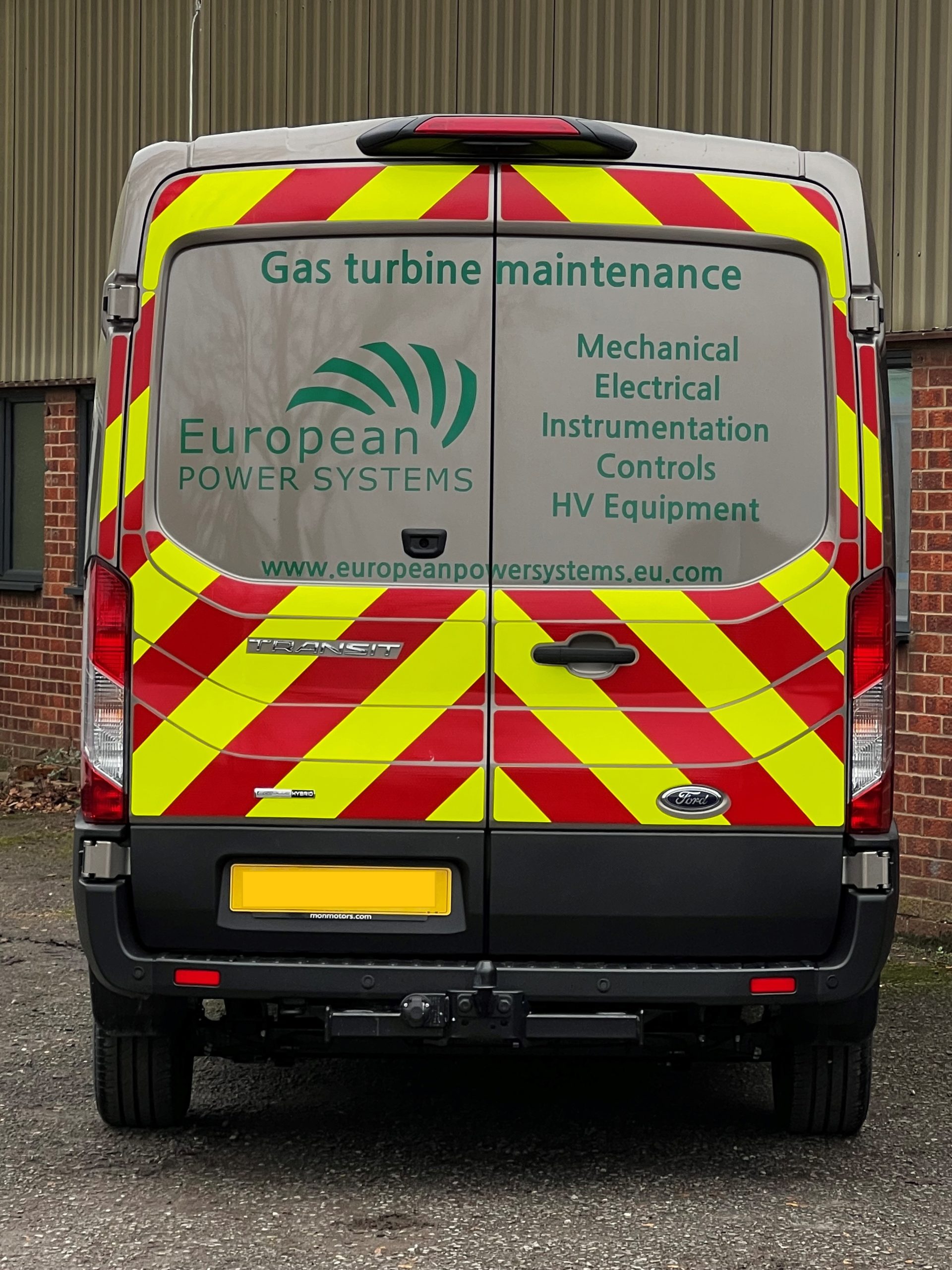
EPS this week delivered a critical package of spares for an oil and gas operator. We did this using our own dedicated van and trailer because of the quantity and weight of items involved.
These spares were not only for gas turbine works, but also for other rotating equipment. This was due to the EPS team delivering a much more competitive price and improved technical proposal over suppliers in Aberdeen. Why don’t you try us for any of your engineering sourcing requirements? We are able to source any parts or tools using our vast network of oil and gas suppliers . We can also help with any technical clarifications prior to order.
We are SEQUAL qualified.
Get in touch with our highly experienced team
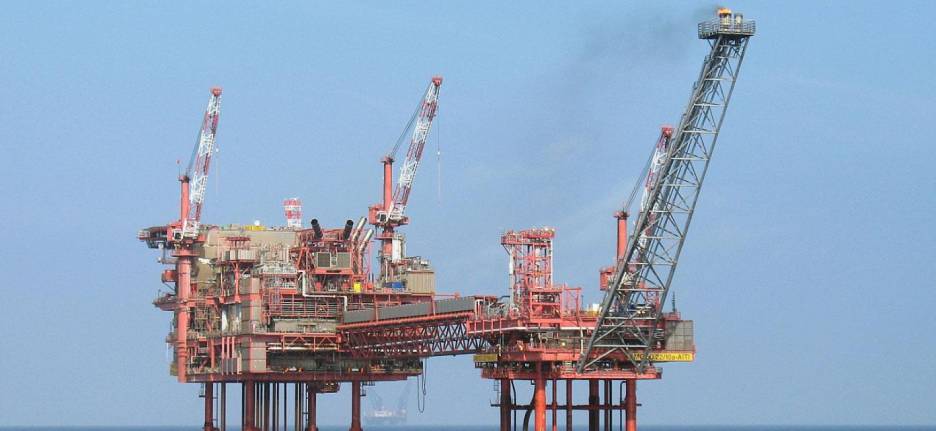
Oil and gas
The role of oil and gas in the UK’s future is a topic of ongoing debate and is influenced by various factors. I can provide you with an overview of the current situation.
Oil and gas have traditionally played a significant role in the UK’s energy mix and economy. The UK has been a major producer of oil and gas in the North Sea, and these resources have contributed to the country’s energy security and economic growth. However, there are several considerations that suggest a shift away from fossil fuels in the future:
- Climate change concerns: There is a global push to reduce greenhouse gas emissions and mitigate climate change. Fossil fuels, including oil and gas, are significant contributors to carbon dioxide emissions when burned. To meet international climate goals, countries are transitioning towards cleaner energy sources.
- Renewable energy transition: The UK government has set ambitious targets to decarbonize the economy, including achieving net-zero emissions by 2050. Renewable energy sources like wind, solar, and hydroelectric power are being prioritized to replace fossil fuels and reduce dependence on oil and gas.
- Declining North Sea reserves: The North Sea oil and gas reserves have been in decline for some time. As extraction becomes more challenging and expensive, it becomes less economically viable to rely on these resources for the long term.
- Energy diversification: The UK is actively diversifying its energy mix to enhance resilience and reduce dependence on fossil fuels. This includes investing in nuclear power, offshore wind farms, and exploring emerging technologies such as hydrogen and carbon capture and storage.
- Environmental and social considerations: The extraction of oil and gas can have environmental and social impacts, such as habitat destruction, pollution, and potential community displacement. There is increasing scrutiny of these issues, leading to calls for more sustainable and responsible practices.
While the UK is gradually reducing its reliance on oil and gas, it is important to note that these resources still play a role in meeting energy demand and supporting certain sectors. Natural gas, for example, is considered a transitional fuel due to its lower carbon emissions compared to coal. It can help bridge the gap during the transition to renewable energy.
Ultimately, the future role of oil and gas in the UK will be shaped by factors such as government policies, technological advancements, environmental considerations, and global energy trends. The direction the country takes will depend on how it balances energy security, economic factors, and the imperative to address climate change.