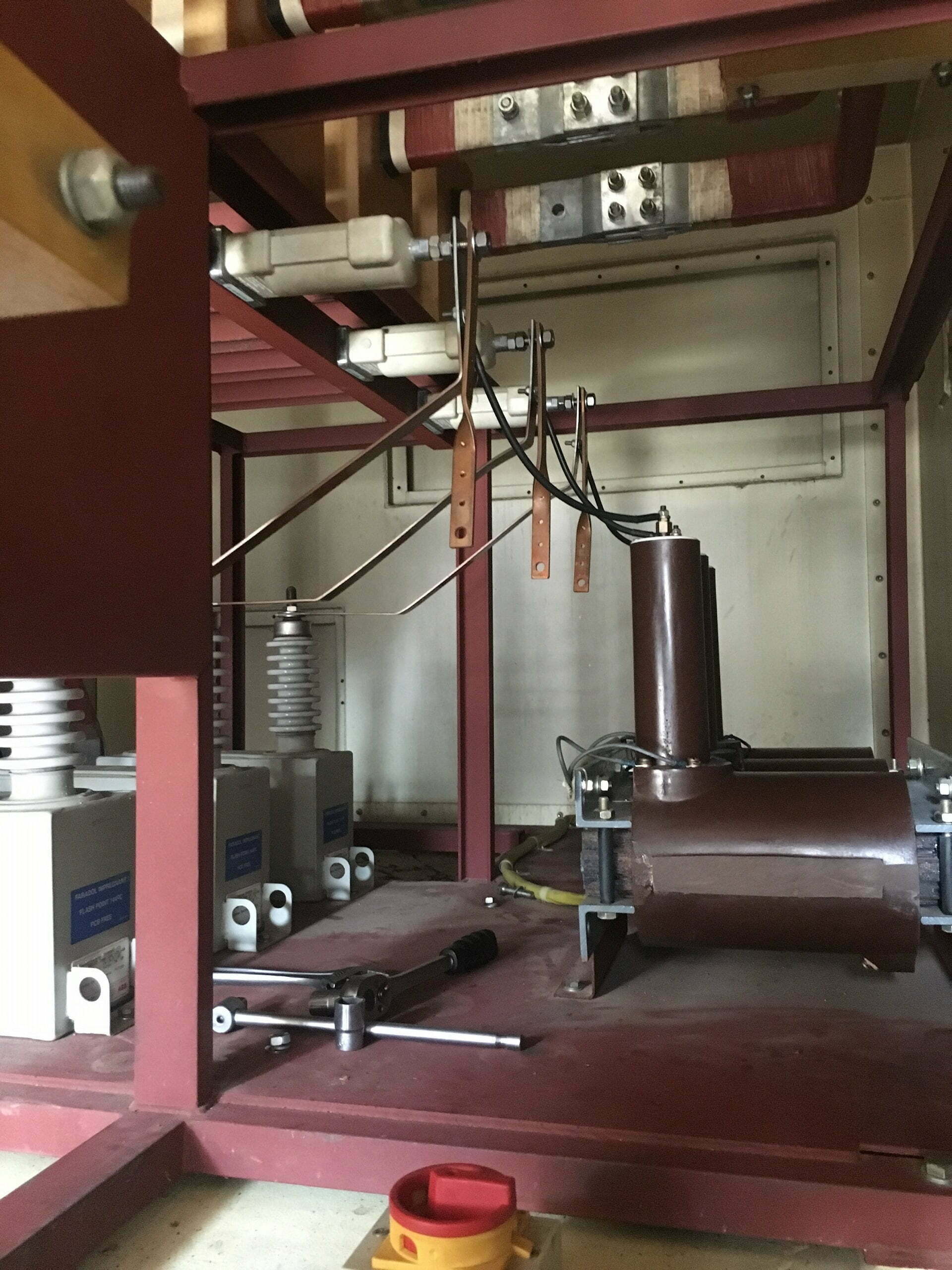
EPS can help with all turbine maintenance 24/7 on or offshore
EPS can help with all your turbine maintenance whether it is mechanical, electrical, instrumentation or controls. We specialise in the SGT100-400 and GE LM range of engines, however our experience goes beyond these engine types and includes the AGT, Solar range of turbines and many others.
We offer an all encompassing solution which can look at any aspect of your turbine maintenance and operation. This could be from a survey of your existing site to determine any potential improvements to a stock inventory/stock condition report to ensure any critical or difficult to obtain spares are on hand and in good condition.
EPS holds all the required tooling in house for our engineers to complete their tasks, alongside equipment available for hire.
Workshop and Field Service Engineers – European Power Systems
Some key points about turbine maintenance:
- Regular Inspections: Turbines require routine inspections to identify potential issues and ensure proper functioning. Inspections may involve visual checks, non-destructive testing, and monitoring of various parameters such as temperature, pressure, and vibration.
- Lubrication and Fluid Analysis: Turbines often rely on lubricants or operating fluids for optimal performance. Regular lubrication and fluid analysis are crucial to maintain proper lubrication levels, remove contaminants, and detect any signs of degradation or wear.
- Cleaning and Filtration: Turbine components, such as blades and nozzles, can accumulate dirt, dust, or other contaminants over time. Regular cleaning and filtration processes are necessary to prevent fouling, corrosion, or erosion, which can affect turbine efficiency and longevity.
- Blade Maintenance: Turbine blades play a vital role in converting fluid energy into rotational motion. Inspecting, repairing, and balancing turbine blades is crucial for maintaining optimal performance. Blade maintenance may involve processes like visual inspections, blade cleaning, repair or replacement of damaged blades, and dynamic balancing.
- Control System Calibration: Turbine control systems, including sensors, actuators, and control algorithms, need periodic calibration and testing to ensure accurate and reliable operation. Proper calibration helps maintain efficiency, stability, and safety during turbine operation.
- Component Replacement: Over time, certain components of a turbine may experience wear or degradation beyond repair. Regular assessment and replacement of critical components, such as bearings, seals, or valves, are essential for preventing unexpected failures and minimising downtime.
- Performance Monitoring: Continuous monitoring of turbine performance using various sensors and monitoring systems allows for the early detection of abnormalities or deviations from expected operating conditions. This enables proactive maintenance interventions and helps optimise turbine performance.
- Safety Considerations: Turbine maintenance should always prioritise safety. Adequate safety protocols, training, and equipment are necessary to protect maintenance personnel during inspection, repair, or maintenance activities.
- Documentation and Record Keeping: Maintaining detailed records of maintenance activities, inspections, repairs, and performance data is essential for tracking the turbine’s health and performance over time. It assists in identifying trends, planning future maintenance, and ensuring compliance with regulatory requirements.
It’s important to note that specific turbine maintenance practices can vary depending on the type of turbine, its application, and the industry in which it is used. Turbine manufacturers, industry guidelines, and maintenance experts provide detailed instructions and recommendations for maintaining specific turbine models.
The frequency of turbine maintenance can vary based on several factors, including the type of turbine, its usage, operating conditions, and the manufacturer’s recommendations. Here are some general guidelines:
- Preventive Turbine Maintenance: Turbines typically undergo regular preventive maintenance at scheduled intervals. The frequency can range from monthly to annually, depending on factors like the turbine’s size, complexity, and criticality. Preventive maintenance includes activities such as inspections, lubrication, cleaning and calibration.
- Condition-Based Maintenance: Some turbine maintenance tasks are performed based on the turbine’s condition and performance data. Condition monitoring techniques, including sensor measurements and data analysis, help identify when specific maintenance actions are required. This approach allows maintenance to be performed when it is most needed, optimising maintenance schedules and reducing unnecessary downtime.
- Manufacturer’s Recommendations: Turbine manufacturers provide detailed maintenance schedules and guidelines specific to their turbine models. These recommendations outline the frequency and type of maintenance tasks required to ensure optimal performance and longevity. It’s essential to follow the manufacturer’s guidelines to maintain warranty coverage and to maximise the turbine’s reliability.
- Regulatory Requirements: Certain industries, such as aviation or power generation, have regulatory bodies that enforce maintenance standards and schedules for turbines. Compliance with these regulations is mandatory, and maintenance intervals may be specified by the authorities.
- Operating Hours or Run Time: Turbine maintenance may also be scheduled based on the number of operating hours or the cumulative run time of the turbine. For example, a turbine may require maintenance after a certain number of operating hours or once it reaches a specified service life.
- Environmental Factors: Turbines operating in harsh environments, such as coastal areas with high salt content or dusty industrial settings, may require more frequent maintenance to address the specific challenges posed by those conditions.
It’s important to note that maintenance intervals can be subject to adjustments based on the specific operating conditions, performance trends, and feedback from condition monitoring systems. Regular monitoring, data analysis, and professional expertise can help optimise maintenance schedules and ensure the turbine’s reliable operation.