Vibration System Spares Supply – Bently Nevada, Vibrometer, Sensonics, Brüell & Kjær & more
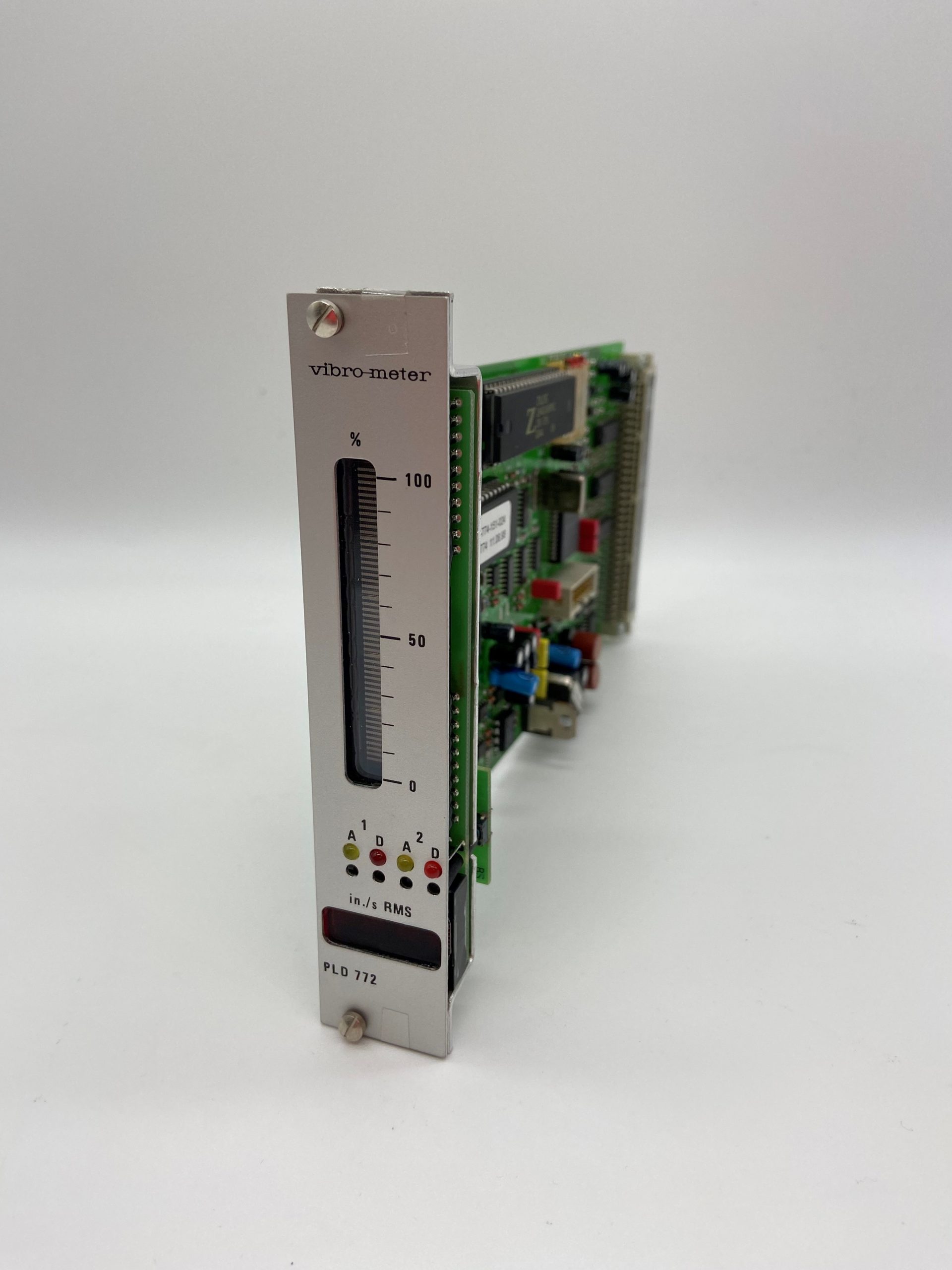
EPS can provide vibration system spares from all the major manufactures, both new and used. We keep some obsolete spares for Bently Nevada and Vibrometer tested and on our shelves. Our website is being populated with all the spares we have in stock – if you can’t find a particular item, please get in touch as not all of our items have been uploaded.
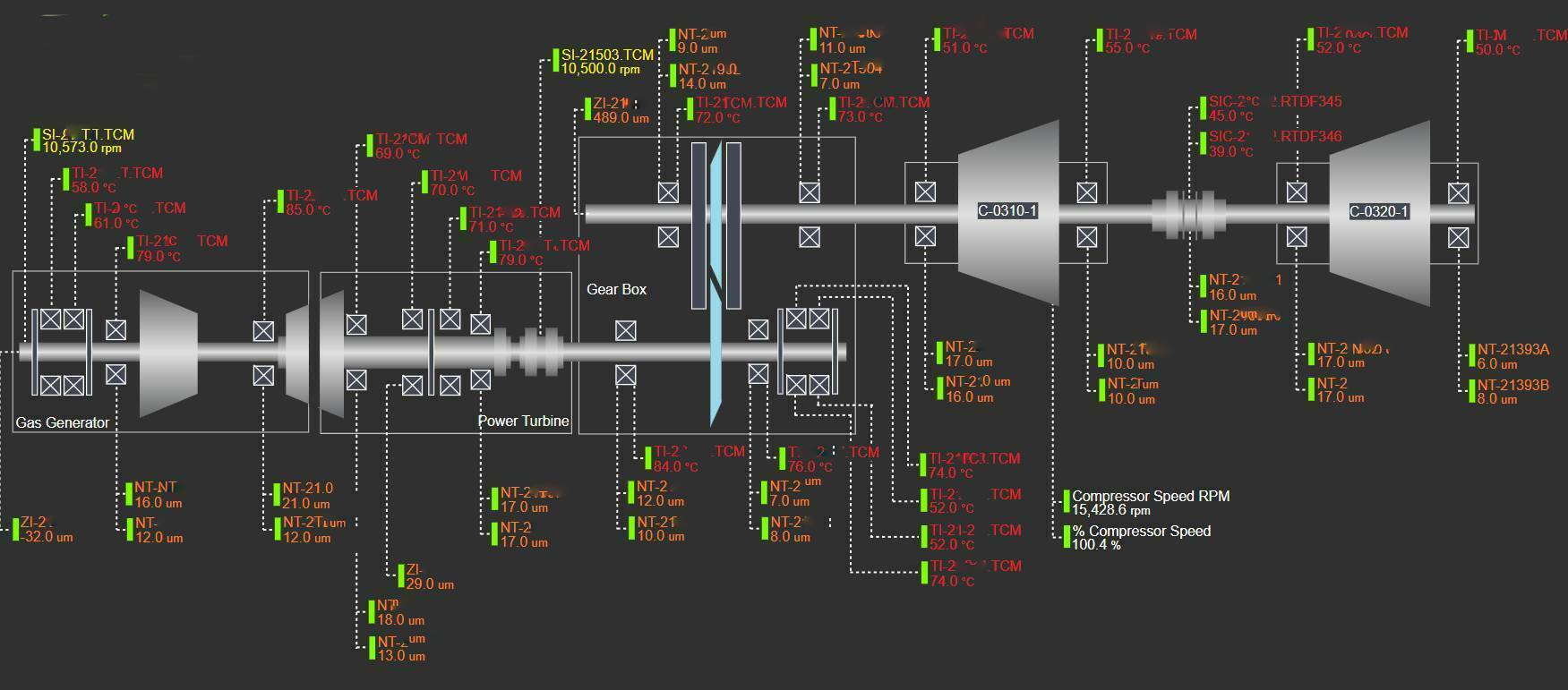
We can also provide the engineering and supply of complete retrofit packages to remove obsolete systems and install a new up-to-date system which can be integrated within your current setup or improved using one of our HMI’s allowing a link to DCS/PI systems.
We are currently installing 6 new B & K VC8000 Setpoint vibration systems across a variety of rotating equipment from pumps and compressors to gas turbines. This system can integrate with the PI system to provide waveform data rather than just levels. This means it is possible to perform condition based monitoring on a continuous basis.
Another service we offer is a system calibration to make sure everything is operating as it should be. We have BINDT Vibration Analysis engineers with years of experience to look at any issues that may arise.
Vibration Systems supported
- Bently Nevada – 3500, 3300 and 7200 – See our new and second hand spares here
- Vibrometer VM600 & earlier – See our second hand spares
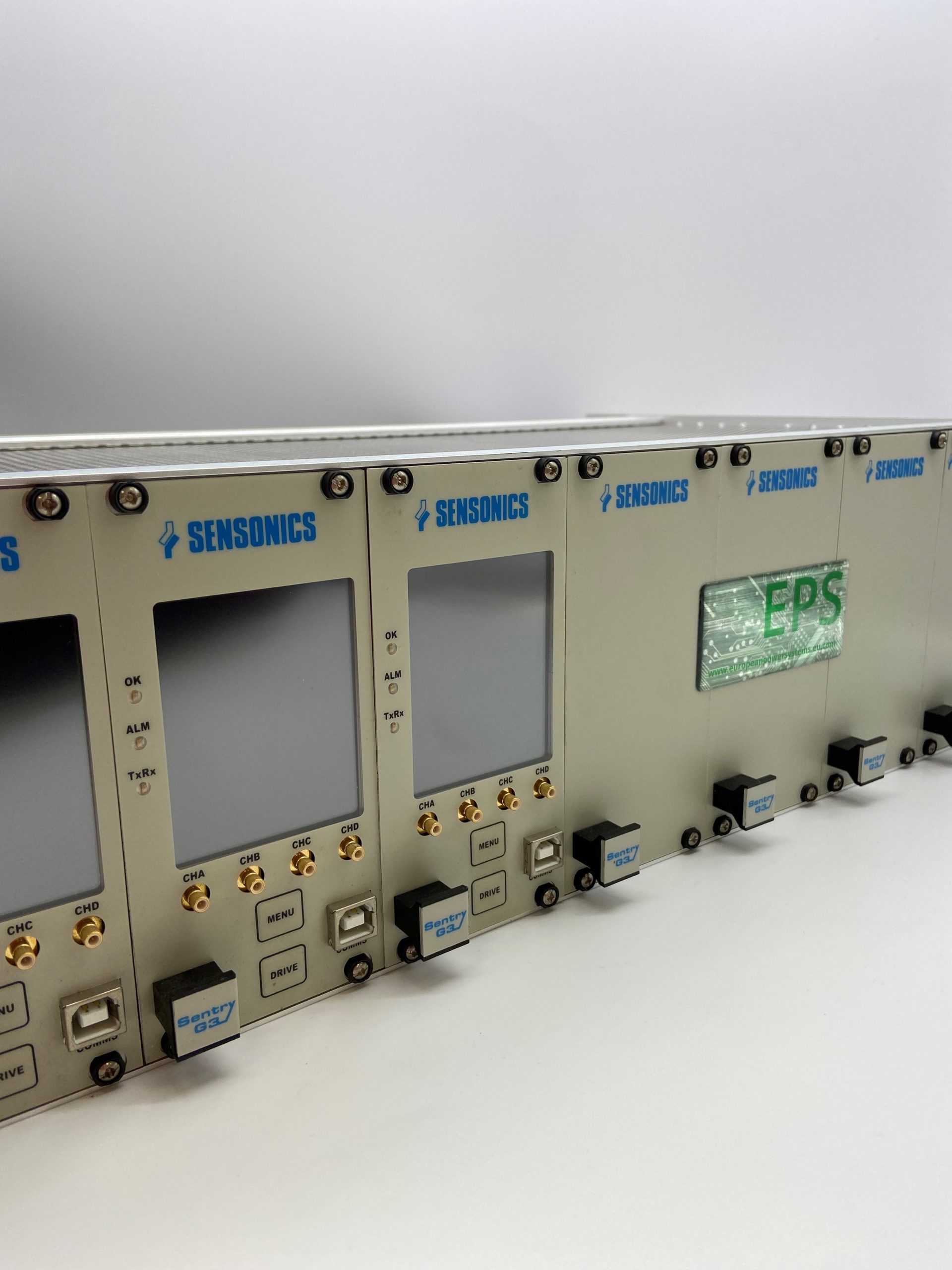
- Sensonics G3 protection system – See our new and second hand spares here
- B&K VC8000 Setpoint
- All types of accelerometer, velometer, proximity probes
Testing your vibration system considerations
Whilst not all these points are valid to an installed system, they give you an insight into just how much consideration needs to be taken when looking at a vibration system. Testing a vibration system involves verifying its performance and ensuring that it meets the desired specifications. Here’s a general guide on how to test a system:
- Define the Requirements: Begin by clearly defining the requirements and objectives, understand what the system should achieve and what kind of vibrations it needs to generate or withstand.
- Choose Testing Equipment: Select appropriate testing equipment based on the characteristics of the vibration system. This may include accelerometers, sensors, data acquisition systems, shakers (for generating vibrations), and vibration analysers.
- Calibration: Ensure that all testing equipment is calibrated and accurate. Proper calibration is essential to obtain reliable and consistent results.
- Functional Testing: Before conducting detailed tests, perform a functional test of the vibration system to ensure that all components are working correctly and there are no obvious malfunctions.
- Frequency Response Testing: Determine the frequency range over which the vibration system should operate. Test the system’s frequency response to ensure that it can produce or handle vibrations within this range effectively.
- Amplitude Testing: Measure the system’s ability to generate or withstand vibrations of different amplitudes. Ensure that it can achieve the required amplitudes without exceeding its limits.
- Harmonics Testing: Check for the presence of harmonics or unwanted frequencies in the system’s output. Harmonics can cause distortion and may need to be minimised.
- Modal Testing (Optional): For more complex systems, consider conducting modal testing to understand the system’s natural frequencies and mode shapes. This information can be useful for identifying potential resonance issues.
- Performance Verification: Verify that the vibration system meets the defined requirements and specifications. Compare the test results with the expected performance to ensure they align.
- Durability Testing: If the vibration system is intended for long-term use, conduct durability testing to assess its performance over an extended period. This may involve subjecting the system to continuous or cyclic vibrations for an extended duration.
- Environmental Testing (Optional): Depending on the application, environmental testing may be necessary to assess the system’s performance under specific conditions such as temperature, humidity, or altitude.
- Safety Testing: If the vibration system is used in a safety-critical application, conduct safety testing to ensure it meets relevant safety standards and regulations.
- Documentation: Throughout the testing process, maintain detailed documentation of the procedures, results, and any adjustments made to the system.
- Analysis and Reporting: Analyse the test data and prepare a comprehensive report summarising the testing process, results, and any recommendations for improvements or adjustments.
Remember that testing requirements can vary significantly based on the type of vibration system being evaluated (e.g., industrial vibration system, automotive vibration system, aerospace vibration system). Always refer to relevant industry standards and best practices when conducting vibration testing for specific applications.